Fence work appears basic till you're the one standing at the front entrance with a tape measure, a degree, and a deadline. In Melbourne, the wind can be cheeky, the clay and roots can be stubborn, and street-facing residential or commercial properties have to land the look as high as the job. I've seen lots of fencings obtain installed "properly" on the first day and still really feel off six months later, generally because the information were dealt with like a second thought: spacing, positioning, footing choices, and exactly how the fence will certainly mature under our particular mix of sunlight, dirt, and seasonal rain.
This is a sensible guide to three prominent styles in Melbourne homes, batten, picket, and shadow-lane fencings, and what issues when you employ fence companies Melbourne, or when you brief a builder or engineer that's contracting out the fencing.
Why Melbourne fences need greater than great timber
The very first point I tell clients is that a fence is component framework, part style, component drain, and part area discussion. You're not simply purchasing panels. You're devoting to a long limit line that will be exposed to weather swings, lorry vibration from the street, tree roots close by, and occasionally awkward view lines that influence just how you park, walk, and utilize your yard.
Melbourne's climate also pushes you to plan ahead regarding completing and maintenance. Timber that looks wonderful in a showroom can boring rapidly if the tarnish schedule is avoided, or if the boards are sealed prior to they've had time to completely dry properly. Steel fences look crisp, but heat and salt (also if you are not coastal) can still influence finishes and bolt longevity.
So the "ideal" fence is much less about one magic material and even more regarding matching the style to the site conditions and your tolerance for upkeep.
Batten fences: the tidy look that conceals the messy bits
A batten fencing is typically called a solid or near-solid obstacle. The boards run up and down or flat and are prepared so the fence provides a continuous front, with battens creating a cool, structured surface area. The precise appearance varies by vendor, yet the core concept is consistent: the battens develop strength and aesthetic rhythm, while the fence offers you personal privacy and a clear line.
The appeal
Clients normally pertain to batten fences for personal privacy without going full screen or complete wall. In a country street, a batten fencing can make the home really feel extra based, especially when the messages match window framing or external cladding.
I bear in mind seeing a place in the western suburbs where the owners had a tiny front backyard with a narrow side passage. Their existing fence had voids that invited dirt and left them regularly brushing down the entrance steps. They picked a batten design, and within a period they saw much less dust tracking in. The fence didn't magically obstruct whatever, yet it lowered air flow carrying grit via the yard.
The trade-offs
The trade-off with batten fencings is air flow and sun exposure. A more closed fencing can create pockets of wet if there's inadequate spacing or if plant life is enabled to press against the boards. If you like the "solid" look, you still desire a reasonable prepare for airflow and drainage around the base.
Another variable is visual heat. Darker finishes absorb even more sunlight, and in Melbourne summers that can increase layer wear at the sides and around fasteners. If you have animals that massage near the fence line or children who lean on the very same areas, you'll see use factors sooner with higher-contrast finishes.
Where battens work best
Batten fences have a tendency to fit:
- Properties where personal privacy is the priority, yet you still want a fine-tuned, modern appearance. Boundaries that need visual continuity with a residence's outside lines. Sites where you want a strong structure that can deal with small effects without looking patchy.
Picket fences: charm, character, and mindful detailing
Picket fencings are the style many people picture when they assume "traditional". They're likewise the style that rewards careful spacing and ending up, because the voids and lines make every misalignment noticeable. A picket fencing can look captivating and welcoming, or it can look slightly messy if the boards are not uniform, if the elevations vary, or if the tops were reduced without a stable plan.
Getting the proportions right
The distinction between an elegant picket fencing and a fence that makes the building appearance unpleasant is typically the proportions. Picket height, density, and the spacing in between boards matter, yet so does the alignment relative to the ground. If the yard slopes, you might need tipped construction or cautious contouring.
In one work I was associated with, the street side had a mild autumn toward the kerb. The first layout proposal assumed the fencing would comply with the line at a constant board height. The installer recommended a tipped base rather, which maintained the picket height and stopped the fence from going down visually at the lower end. It's a small change that changes the entire impression.
Choosing the finish
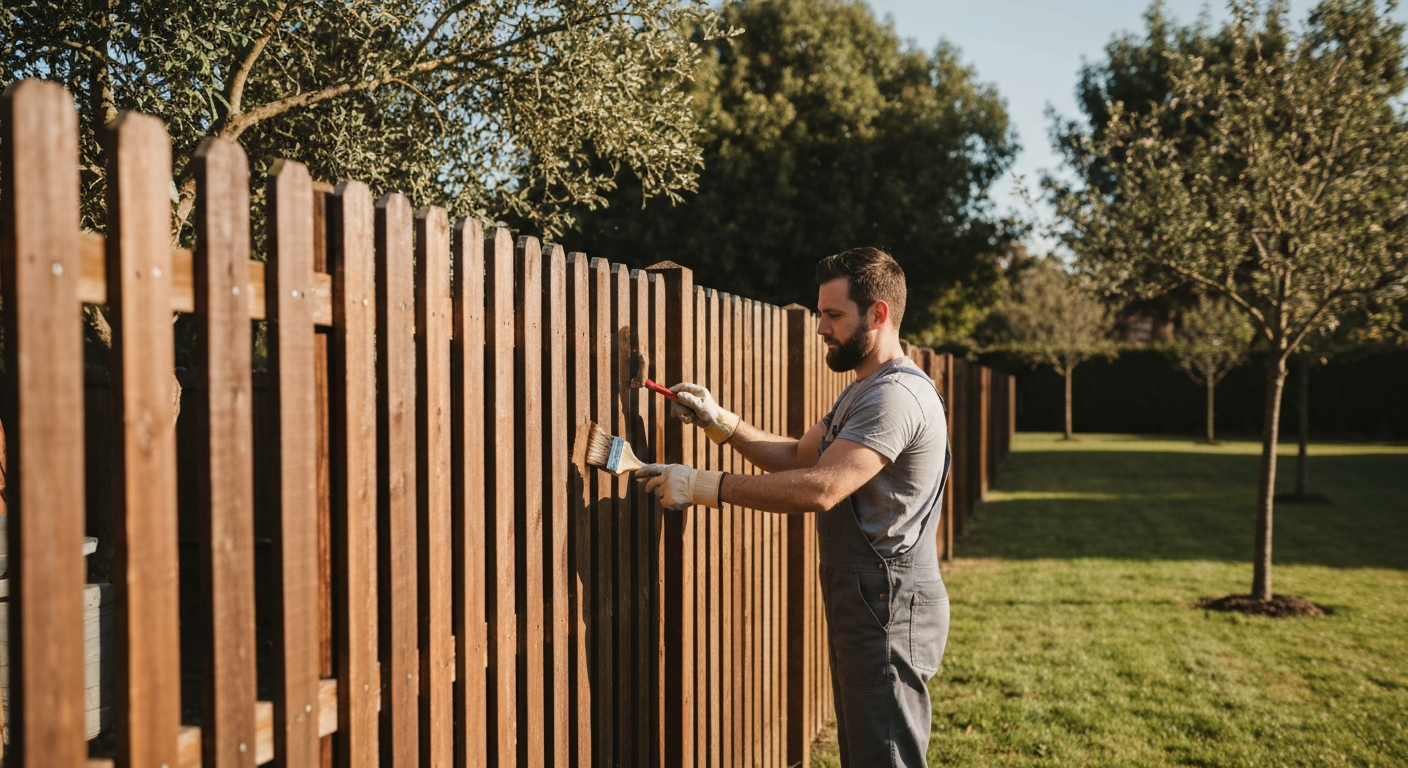
Timber pickets look great when they're freshly discolored. The challenging part is keeping them in this way. Straight stalking, the thickness of the stain layer, and how the boards were conditioned before staining can influence just how swiftly the fence dulls or fades.
If your area is revealed to wind-driven rainfall, concentrate on sealing the end grain and making sure constant layer protection. End grain is where moisture likes to get started, and picket fencings have plenty of revealed ends.
When pickets are not the best idea
Picket fences can be less suitable if your priority is privacy. You can tighten up spacing, but you're still inviting some visibility and air flow. Additionally, in properties where you need a strong obstacle for sound decrease, a picket fencing typically will not deliver the same level of splitting up as battens.
Shadow-lane fences: the contemporary "depth" effect
A shadow-lane fencing is designed to develop a line of depth. Instead of a level, constant surface area, the boards are generally arranged with shadow spaces that let light and shade define the fencing. From a range, the fencing reviews as crisp and architectural. Up close, it comes to be all about shadows.
Shadow-lane layouts can be lumber or composite, and they are in some cases perplexed with various other close-board styles. The vital distinction is that the spacing and board setup are intentional enough that the fencing's look depends on exactly how light falls on the gaps.
Why Melbourne home owners like the shadow line
Many individuals choose shadow-lane fences due to the fact that they suit both contemporary and refurbished homes. The fencing does not simply "rest on the limit", it frames the residential property. It additionally photographs well, which sounds superficial until you remember it's a limit line that appears in listings, remodellings, and every informal family members photo.
An usual feedback loop I have actually heard is this: the fence looks better once it clears up and light hits it after installation. Fresh fences are usually a little as well "intense" before surfaces weather and stabilise. A few months later on, the shadow void looks softer and even more natural.
The two most significant things to get right
First, spacing consistency. Also little differences can damage the shadow result and make the fence really feel uneven.
Second, article alignment and straightness. Darkness voids highlight every little thing. If the messages are a little out or if the fence is built with a contour that wasn't planned, the imbalance becomes part of the aesthetic story. That could be alright if you want a rustic look, yet many shadow-lane installs aim for clean lines.
Maintenance considerations
A shadow-lane fencing can trap percentages of ground cover in the voids. It typically isn't fence installer Melbourne a significant problem, yet if you have eucalypts nearby or you routinely obtain gone down leaves in autumn, you ought to plan for simple cleansing accessibility. If the design restricts reach, maintenance takes longer than it does on a more open fence.
Material options, and why the "ideal alternative" depends upon your boundary
In Melbourne, lumber stays preferred as a result of the heat and appearance. But lots of proprietors also consider engineered timber items, aluminium, and steel depending on their design target and budget.
If you are comparing fence companies Melbourne, do not just ask what they can develop. Ask what they advise for your specific problems. A material selection that functions perfectly in one road could not suit a boundary that gets continuous wind exposure, has neighboring tree roots, or experiences larger runoff.
A functional method to consider materials is to ask:
- Will the fence sit in shaded damp, or complete sun? Are there neighboring roots that will certainly lift the ground? Does the border experience constant particles collection? Do you want low upkeep, or are you comfy with re-coating on a schedule?
Timber fences can last a long time, however they gain from finishing technique. Steel fences can be sturdy, but finishings and bolts issue, and they can look different once exposed to sunlight and weather.
Planning, permits, and neighbourhood reality
Most Melbourne fencing tasks are simple, but regulations can differ based on local council demands, fencing elevation, boundary area, and whether the fencing encounters a public street. The secure technique is to treat your task as site-specific, not generic.
Before anything is ordered, it's worth verifying:
- Maximum enabled heights for your property's fencing location. Any demands for products or designs along front boundaries. Whether an authorization is required for your fence elevation or position. Any shared border considerations if your fencing doubles as a splitting structure.
If you are lucky, the existing limit line is clear and simple. If you aren't, you might need a limit study or a minimum of mindful dimension against existing frameworks. I've seen fences constructed "close enough" that later came to be a debate with a neighbour, and repairing that isn't simply irritating, it's expensive.
Site problems that quietly determine whether a fencing looks good
A fencing can be constructed well with common methods, but the fence appearance depends on decisions made at the ground level.
Sloping ground and just how you keep the leading straight
Melbourne lawns typically incline, even when it really feels minor. If the ground drops and you develop a fencing with the presumption the boards can bend to the terrain, the fence top can create an unintended wave. The solution is either stepping, shaping, or developing the base line so the fence reviews correctly.
Stepped styles are common for pickets and shadow-lane designs when you want clean top lines. Battens can additionally make use of step methods, though the visual expectation differs, given that battens read as an organized surface as opposed to a picket crown.
Footings, and why "just dig and establish" can fail
Footings are not attractive, however they make or break the fencing. Soil key in Melbourne can be variable. Clay can hold form up until it doesn't, and origins can complicate excavation. If grounds are also superficial, fencings can relocate after heavy rainfall or seasonal drying.
A strong installment approach typically involves right article sizing, ideal opening deepness, and concrete placement that makes up drain and stability. The exact specification needs to originate from the installer's design strategy and local conditions.
The judgment phone call I see frequently is whether to utilize much deeper footings, adjust blog post spacing, or strengthen specific areas like gateway openings. Gates lug lots in different ways than fencing infill, and you can't deal with a gateway structure as if it's simply another section.
Wind loading and panel behaviour
Melbourne can throw up solid winds, especially along certain passages. A fencing's resistance depends on blog post spacing, panel layout, and exactly how the fence takes a breath. Solid batten fences can catch wind like a sail if the style is also shut and the structure is underbuilt. Pickets can breathe a lot more, and shadow-lane fencings have little gaps that reduce the "sail" impact, but the shadow-lane appearance depends upon limited spacing, which can still affect wind pressure.
This is where knowledgeable installers earn their track record. They do not just construct to a common pattern, they tune the layout to handle the border's exposure.
A useful comparison: batten, picket, and shadow-lane at a glance
You might make this choice utilizing style pictures alone, but the better means is to connect the aesthetic to exactly how you actually use the yard.
A batten fencing feels like a quiet wall surface. It's a personal privacy option, and it decreases the aesthetic mess of neighbours' outdoor gear, bins, and yard mess. A picket fencing seems like it comes from the street, ventilated and attractive, often used when you want the limit to mount your home without totally confining it. A shadow-lane fencing feels building and crisp, especially when you desire clean lines and depth, and you are alright with the fact that the spacing requires to stay regular for the look to hold.
Here's a small "how it acts" sight, based on what I see in regular Melbourne installs:
- Batten: more powerful aesthetic personal privacy, can be a lot more wind-catching if too closed and underbuilt, upkeep relies on finish schedule. Picket: classic street existence, alignment and harmony matter a whole lot, personal privacy is moderate to low relying on spacing. Shadow-lane: contemporary depth and light play, calls for limited installment accuracy, can catch debris in voids if trees lost near the boundary.
What to ask your installer (so you don't pay two times)
If you're employing fence companies Melbourne, do not rely on a quote alone. Quotes can look comparable while presumptions differ in footings, board quality, finish quality, and just how the installer manages difficult ground problems. The concerns listed below are the ones that usually prevent migraines later.
- What is the scheduled ground depth and article size for your dirt type and fencing length? Will you build to a string line and level referral, and just how will certainly you take care of inclines or unequal ground? What timber quality or item is being used, and what finish system do you advise for Melbourne weather? How do you maintain darkness gaps or picket spacing consistent across the full run, specifically near gates? Do you include concrete, hardware, and website remediation, or are those separate costs?
If an installer can address these clearly without obtaining protective, that's normally an excellent sign. If they dodge specifics, it frequently suggests they are pricing quote "ordinary assumptions".
Gates, corners, and the information that wreck the look if ignored
It's easy to concentrate on the fence design and fail to remember that edges and entrances are where your experience either really feels smooth or really feels frustrating.
Corners require thought of just how the fence changes from one line to an additional, specifically if the limit line is not flawlessly straight. Tiny angle adjustments can produce visual actions, gaps, or board imbalance that stand apart on pickets and shadow-lane styles.
Gates are entitled to extra care. A fencing that looks fantastic can still feel low-cost if the gate drags, swings erratically, or doesn't align with the boards. The hinge side and lock side lots can vary relying on how heavy your gateway panels are. In sensible terms, that indicates you might need sturdier messages and cautious setup, not just the same therapy as the infill sections.
Maintenance that really fits genuine life
Maintenance recommendations appears the same everywhere, however in Melbourne it transforms depending upon where the fencing rests and what's nearby.
For hardwood fences, regular examinations matter more than big brave cleanings. Search for:
- Small areas of finish failure around fasteners and finish grain. Visible bending, specifically after damp seasons. Rough patches where animals or people often touch the boards.
If you're handling shadow-lane voids, plan for regular clearing up of ground cover. A basic rinse throughout wetter months can assist, however don't presume the voids will self-clean. They usually do not, especially when the fence encounters the instructions of dominating winds that push particles towards the limit line.
For picket fences, the spacing highlights any irregular boards. Maintenance consists of greater than weatherproofing, it also includes catching troubles early, before they widen and start to affect the fencing's total straightness.
A number of "reality" scenarios I've seen
The client who wanted personal privacy yet really did not want a wall
One family desired privacy from the street and neighbors, yet they additionally really did not want the yard to feel boxed in. A totally strong fencing would certainly have achieved personal privacy, yet aesthetically it would have made the lawn feel narrower. The concession was a batten design with a balanced board setup and finish that matched your home tones. The result looked strong without feeling heavy.
The secret was spacing and the coating colour. As well dark, and it looked like an obstacle. As well light, and it mixed poorly with outside lumbers. Getting that equilibrium did much more for the final feel than any type of single product change.
The shadow-lane fence that lost its crispness
Another task involved a shadow-lane fence where one section had a little various spacing because of placement during setup. The fencing still functioned, and it still looked great from a distance, yet up shut the shadow impact had not been as sharp. The owners noticed it instantly since they had a behavior of strolling that side course daily.
In the end, the repair was not a complete restore, yet it did need modifications to the influenced run and careful re-checking of post positioning. That is why shadow-lane fences are sensitive to installation accuracy. They don't endure "sufficient" execution as high as an extra forgiving style.
When to choose one design over the others
If you're deciding in between these options, let it be led by what you appreciate most day to day.
A batten fencing is typically the most effective fit when privacy and a clean boundary line issue greater than ornamental charm. Picket fencings are excellent when you want a friendly, traditional presence and you are comfortable with a much more open, ventilated border. Shadow-lane fencings fit home owners who value modern-day style and the method light and depth create texture.
Most clients don't end up choosing only based on images. They choose based upon their road direct exposure, their lawn shape, where the sun hits, and how commonly they intend to maintain the fencing. A fencing is one of those long-lasting choices where tiny distinctions in installation can matter greater than little distinctions in materials.
How the best fence companies Melbourne stand out
Good fence work feels calm on website. It's determined, neat, and structured. The blog posts go in directly, the lines remain constant, and the fence looks right when you stroll from the driveway to the back gate.
The best fence companies Melbourne additionally tend to manage the "in-between" minutes well: validating borders, securing yards during excavation, establishing assumptions for council actions if needed, and connecting clearly if weather condition transforms the schedule. If you've ever had professions get here and after that go away for a week as a result of a missing part or uncertain authorization, you recognize just how stressful that can be. A well-run fencing task doesn't just produce a fencing, it generates a smooth experience.
If you're selecting in between designs, the appropriate inquiry to ask is not simply "What do you advise?" It's "Exactly how will you maintain this design looking the means it's expected to look, given my site problems?" That question pulls the choice out of marketing and into actual craftsmanship.
Final ideas for batten, picket, and shadow-lane fences
Batten, picket, and shadow-lane fences each have their very own individuality. Batten fencings provide privacy with framework. Picket fencings provide heat and heritage charm, as long as positioning and completing are managed effectively. Shadow-lane fences deliver a modern-day depth result, but they demand careful spacing and blog post precision to stay crisp.
In Melbourne, the most effective results originate from pairing the style to the border's realities, not from selecting a search in isolation. If you obtain the grounds right, plan for inclines and drain, and complete the timber with a self-displined strategy, you wind up with a fence that still appears like it belongs months later, not simply on opening day.